

Pho is one of Vietnam’s most beloved dishes, known for its fragrant broth, tender noodles, and comforting warmth. Many first-time cooks wonder: what is the secret ingredient in pho? The truth is that pho’s flavor doesn’t come from a single secret ingredient, it comes from a careful combination of spices, technique, and patience. Learning how to make traditional pho at home means understanding how these elements work together.
Whether you’re cooking for family or simply exploring Vietnamese cuisine, mastering the basics of pho can be a rewarding kitchen experience.
The Key Spices Behind Pho’s Signature Flavor
Pho’s distinctive aroma comes from a blend of warm spices. The most important ones include star anise, cinnamon sticks, cloves, coriander seeds, and cardamom. These spices create the sweet, aromatic profile that sets pho apart from other noodle soups.
Before simmering, many cooks lightly toast the spices in a dry pan to release their natural oils. This step enhances fragrance and helps the spices infuse the broth more effectively.
Fresh ingredients also play a role. Charred onion and ginger add subtle sweetness and depth, while fresh herbs like basil and cilantro brighten the final bowl.
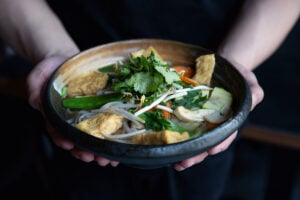
Slow Simmering and Layered Flavor
If there’s one true “secret” to pho, it’s time. Traditional pho broth is simmered slowly (often for 6 to 10 hours) allowing bones, aromatics, and spices to fully develop their flavor.
During this process, cooks skim foam and excess fat from the surface to keep the broth clear. Gentle simmering is important; boiling too aggressively can make the broth cloudy and dull the spice profile.
Balancing Sweet, Savory, and Aromatic Elements
Great pho broth achieves balance. The base is savory from beef bones and fish sauce, slightly sweet from onion and spices, and aromatic from herbs and toasted spices.
Small adjustments can make a big difference. A pinch of sugar can round out strong spices, while fish sauce adds depth and umami. Fresh toppings (lime wedges, bean sprouts, basil, and chili slices) allow each bowl to be customized.
For those looking to explore pho ingredients or noodle soup options, the Vifon provides useful information on Vietnamese-style noodle soups and products inspired by traditional recipes.
Simple Steps for Making Traditional Pho at Home
Making pho at home may take time, but the process itself is straightforward:
- Roast or char onions and ginger for added flavor.
- Simmer beef bones with water and skim impurities.
- Toast spices and add them to the broth.
- Simmer gently for several hours.
- Season with fish sauce and salt.
- Serve with rice noodles, sliced beef, and fresh herbs.
Bringing Traditional Pho Into Your Kitchen
The secret ingredient in pho isn’t just spice, it’s patience and balance. By using the right spices, simmering slowly, and layering flavors carefully, you can recreate traditional pho at home and enjoy a bowl that’s both comforting and authentic.