
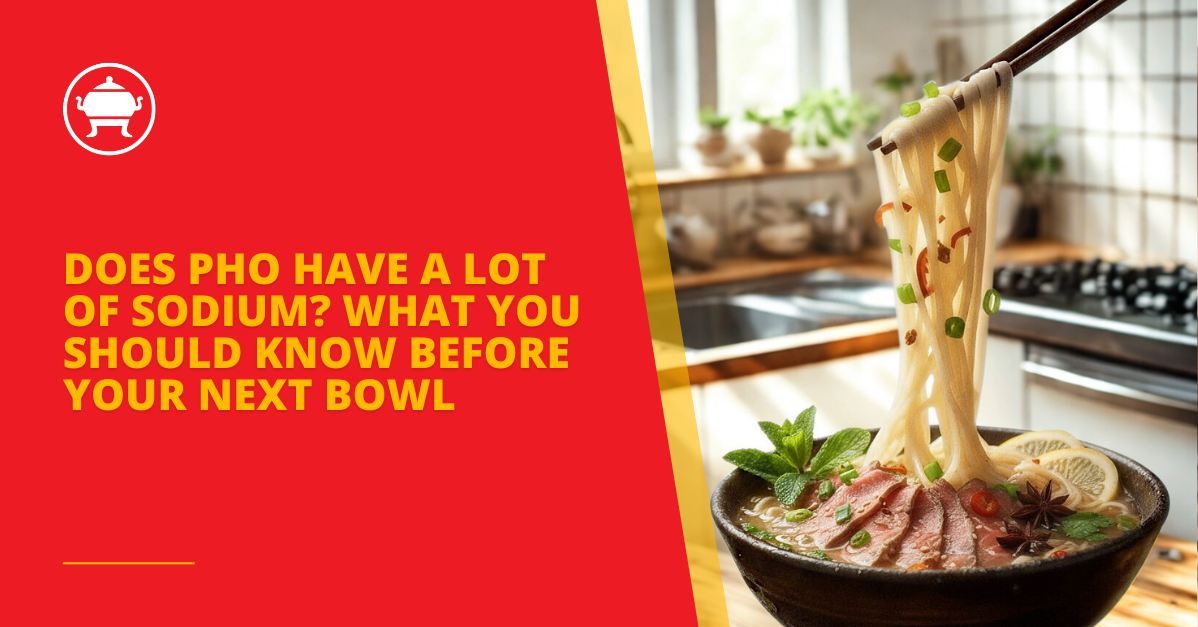
Pho is widely loved for its comforting broth, fragrant spices, and satisfying noodles. But many people still wonder: does pho have a lot of sodium? The answer depends on how the soup is prepared, the ingredients used, and the portion size. For health-conscious eaters watching their salt intake, understanding where sodium comes from in pho can help you enjoy it more confidently.
Pho can absolutely fit into a balanced diet, especially when you understand how to adjust ingredients and portions.
Where Sodium in Pho Typically Comes From
The majority of sodium in pho comes from the broth and seasoning ingredients. Traditional pho broth is simmered with beef bones, aromatics, and spices for hours. During the process, salt and fish sauce are added to enhance flavor.
Condiments served with pho can also increase sodium levels. Hoisin sauce, soy sauce, and chili sauces may contain significant amounts of salt. Even small additions can raise the sodium content of a bowl.
Understanding how pho is traditionally assembled helps explain how these elements combine. For more background on Vietnamese noodle soups and ingredients, you can explore the blog:
Restaurant Pho vs. Homemade Pho
Restaurant pho often contains more sodium simply because it’s prepared in large batches designed for bold flavor. Large portion sizes also mean you may consume more broth (and therefore more sodium) in a single meal.
Homemade pho offers much more control. When cooking at home, you can reduce sodium by using less fish sauce, choosing low-sodium broth, or balancing the soup with fresh herbs and vegetables.
Many people start with convenient pho noodle soups from Vifon and customize the bowl with fresh ingredients to manage both flavor and sodium levels.
How to Reduce Sodium in Pho
If you’re trying to lower sodium intake, a few simple adjustments can make a big difference:
- Use low-sodium broth when cooking at home
- Limit added sauces like hoisin or soy sauce
- Add more herbs and vegetables for natural flavor
- Drink more broth gradually instead of finishing the entire bowl
These small changes help maintain pho’s comforting taste while keeping sodium levels more manageable.

A Balanced Diet Perspective
When thinking about sodium, it helps to look at your overall daily intake rather than a single meal. Many soups (including pho) contain some sodium because broth and seasoning are essential to their flavor. What matters most is how that meal fits into the rest of your day.
For example, choosing lighter meals earlier or later, limiting salty sauces, and adding more herbs and vegetables can help keep things balanced. Enjoying pho occasionally and mindfully allows you to appreciate its comforting flavor while still supporting a healthy eating routine.
Enjoying Pho Mindfully
So, does pho have a lot of sodium? It can, depending on how it’s prepared. But with awareness and a few simple choices, pho remains a satisfying meal that fits comfortably into a mindful eating approach.
Understanding ingredients, controlling portions, and balancing meals throughout the day can help you enjoy pho without unnecessary worry.