
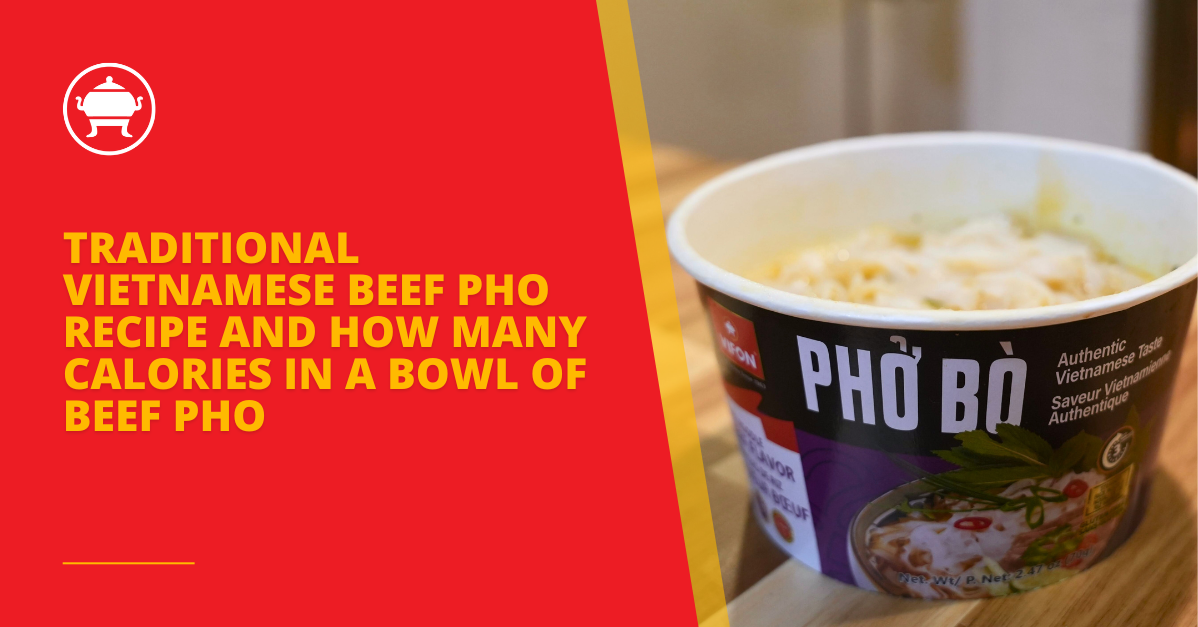
Few dishes capture comfort and tradition like a bowl of beef pho. Known for its fragrant broth, tender slices of beef, and silky rice noodles, pho has become a beloved meal around the world. In this guide, we’ll explore a traditional Vietnamese beef pho recipe while also answering an important question many people have: how many calories in a bowl of beef pho?
Whether you’re cooking for family or simply craving something warm and satisfying, understanding both the recipe and the nutrition can help you enjoy pho more mindfully.
Core Ingredients in a Traditional Beef Pho Recipe
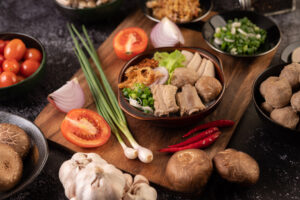
Authentic beef pho starts with a handful of foundational ingredients. The broth is typically made with beef bones, onion, ginger, and aromatic spices such as star anise, cinnamon sticks, cloves, coriander seeds, and cardamom.
The soup is served with flat rice noodles, thin slices of beef, and fresh toppings like bean sprouts, basil, cilantro, lime wedges, and sliced jalapeños. These herbs and garnishes give pho its signature balance of freshness and warmth.
For a deeper look at the origins and cultural role of pho, you can explore the history of Vietnamese cuisine on the Smithsonian National Museum of Asian Art.
Preparing the Broth and Spices
The heart of pho is its broth. Traditional recipes simmer beef bones for 6 to 10 hours, allowing collagen and minerals to create a rich, clear soup. During cooking, chefs char onion and ginger to add smokiness, then gently simmer spices in a cloth pouch to infuse aroma.
Skimming foam and excess fat throughout the simmering process keeps the broth clean and balanced. The final broth is lightly seasoned with fish sauce and salt to enhance its natural flavor.
If you want to understand more about the ingredients and techniques used in pho, the Vifon USA provides helpful context on traditional noodle soups and their preparation.
How Many Calories in a Bowl of Beef Pho?
A typical bowl of beef pho in the United States contains around 400 to 600 calories, depending on portion size and ingredients. The main calorie contributors include:
- Rice noodles: Provide carbohydrates and energy
- Beef: Lean cuts add protein with moderate calories
- Broth: Generally low in calories but rich in flavor
Toppings and sauces like hoisin or sriracha can add additional calories, so moderation is key.
Portion Size and Protein Choice Matter
Choosing leaner beef cuts such as eye of round can lower calorie content, while brisket or fatty cuts increase it. Portion size also plays a major role. Many restaurant bowls are quite large, sometimes containing two servings.
Cooking pho at home gives you control over noodle quantity, broth richness, and toppings, making it easier to keep the meal balanced.
If you’re looking for convenient ways to enjoy pho flavors at home, the Vifon USA product collection offers quick options for noodle soups that can be customized with fresh ingredients.
Enjoying Beef Pho Mindfully
Pho is more than just a soup, it’s a cultural tradition and a comforting meal shared with family and friends. Understanding the ingredients and calories behind a bowl helps you appreciate it even more.
By balancing portion size, choosing lean proteins, and adding fresh herbs and vegetables, you can enjoy traditional beef pho as part of a thoughtful and satisfying meal.