
When people think about pho, they often focus on the rich broth or fragrant herbs, but the noodles are just as important. If you’ve ever wondered what type of noodles are used for pho, the answer is simple: traditional pho is made with flat rice noodles known as bánh phở.
These noodles play a major role in the texture, balance, and overall experience of the dish. Choosing the right noodles can make the difference between a bowl that tastes authentic and one that feels completely different.
What Are Bánh Phở Noodles?
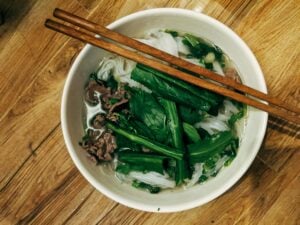
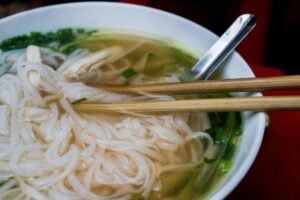
Pho noodles, or bánh phở, are flat rice noodles made primarily from rice flour and water. They’re soft, smooth, and slightly chewy, designed specifically to absorb broth while maintaining their structure.
Unlike heavier wheat-based noodles, rice noodles allow the broth and toppings to remain the focus. Their lighter texture is one reason pho feels comforting without being overly rich.
Fresh herbs, aromatic broth, and rice noodles work together to create the balanced flavor pho is known for. For readers exploring Vietnamese-style noodle soups and ingredients, here provides helpful background on noodle traditions and modern pho-inspired products.
How Pho Noodles Differ From Ramen or Egg Noodles
Many people compare pho noodles to ramen noodles, but they’re very different.
Pho noodles:
- Made from rice flour
- Flat and silky
- Light texture
- Designed for clear broth
Ramen or egg noodles:
- Made from wheat flour
- Springy and firmer
- Richer texture
- Often paired with heavier broths
Because pho broth is delicate and aromatic, rice noodles help maintain balance rather than overpowering the soup.
According to the Serious Eats, noodle texture dramatically changes how broth-based dishes are experienced, which is why noodle selection matters so much in traditional recipes.
Fresh vs. Dried Pho Noodles
Pho noodles are commonly sold in both fresh and dried forms.
Fresh noodles:
- Softer texture
- Closer to restaurant-style pho
- Found refrigerated in Asian markets
- Shorter shelf life
Dried noodles:
- More convenient
- Widely available in U.S. grocery stores
- Easy to store at home
Both options can produce excellent pho when cooked properly. The key is avoiding overcooking, which can make noodles too soft.
Why Noodles Affect the Entire Pho Experience
The noodles don’t just sit in the broth, they shape the entire bowl. Rice noodles absorb flavor while keeping the soup balanced and easy to eat.
A noodle that’s too thick, too firm, or too heavy changes the experience completely. That’s why authentic pho recipes consistently rely on bánh phở rather than substituting other noodle styles.
For home cooks looking for convenient noodle soup options, Vifon offers products inspired by traditional Vietnamese noodle dishes that make pho-style meals easier to prepare at home.
Choosing the Right Noodles at Home
So, what type of noodles are used for pho? Traditional flat rice noodles and for good reason. Their texture, flavor absorption, and balance are essential to what makes pho feel authentic.
For anyone recreating pho at home, starting with the right noodles is one of the easiest ways to improve the final bowl.