
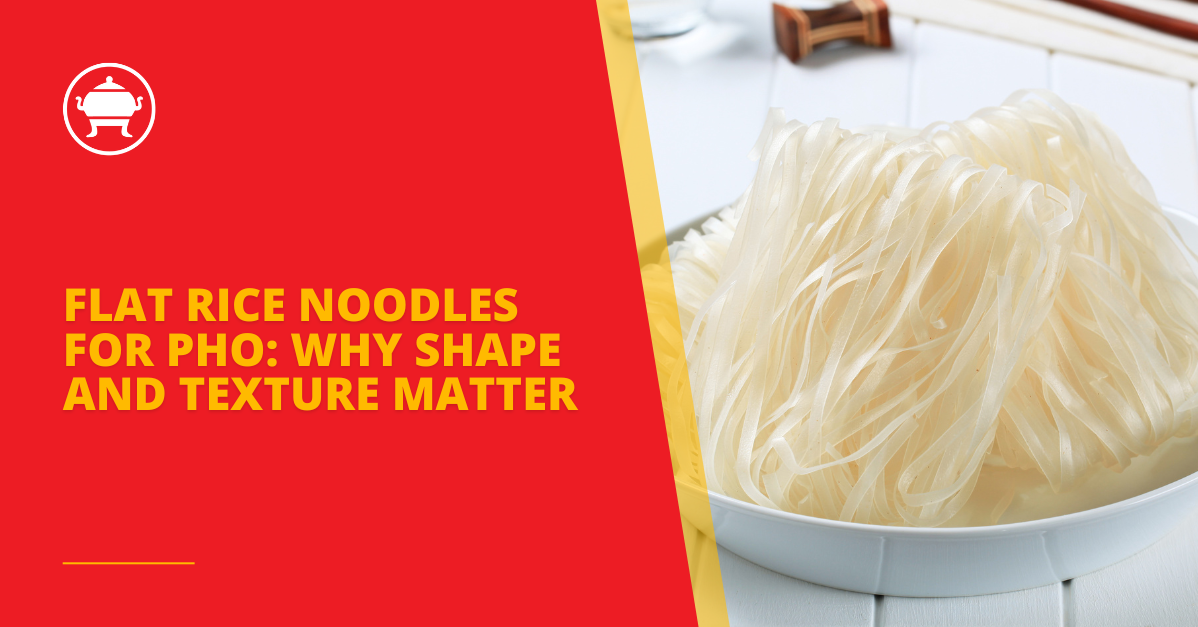
If you’ve ever wondered why authentic pho tastes so different from homemade versions, the answer often comes down to one detail: the noodles. Flat rice noodles for pho aren’t just traditional, they’re essential. Their shape, texture, and ingredients play a major role in how pho looks, feels, and tastes.
For anyone trying to recreate restaurant-quality pho at home, understanding the noodle choice makes all the difference.
What Flat Rice Noodles Are Made From
Flat rice noodles used in pho are typically made from rice flour and water, sometimes with a small amount of tapioca starch for elasticity. Unlike wheat noodles, they’re naturally gluten-free and have a clean, neutral flavor.
Because they’re steamed and cut into wide, flat strands, these noodles are designed to stay tender without falling apart, perfect for soaking in hot broth without losing structure.
How Flat Rice Noodles Differ From Other Noodles
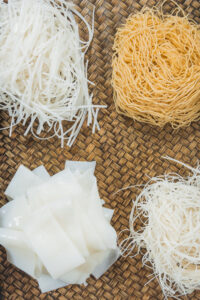
Round rice noodles, egg noodles, or wheat noodles may look similar, but they behave very differently in soup. Egg noodles bring a heavier, doughy bite, while round noodles don’t hold broth as effectively.
Flat rice noodles have more surface area, which allows them to cling to pho broth. This ensures every bite carries flavor, rather than letting the noodles sink unnoticed at the bottom of the bowl.
Their Role in Absorbing Pho Broth
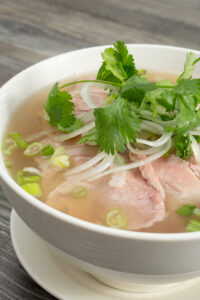
Pho broth is light yet deeply aromatic, built from slow-simmered beef bones, spices, and herbs. Flat rice noodles act like sponges, absorbing the broth without overpowering it.
This balance is key. The noodles support the broth rather than competing with it, allowing toppings like beef, herbs, and lime to shine. Without the right noodle texture, pho can feel unbalanced or overly heavy.
Why Using the Right Noodle Type Matters
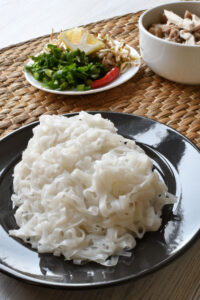
Using the wrong noodles changes the entire experience of pho. Flat rice noodles provide the smooth, silky bite people associate with authentic bowls. They also cook quickly, making them practical for home kitchens.
Today, flat rice noodles are easy to find in U.S. grocery stores, Asian markets, and online. Many home cooks start with convenient pho noodle options from Vifon USA, then build their broth and toppings from there.
Bringing Authentic Pho Home
Choosing flat rice noodles isn’t about being fancy, it’s about respecting how pho is meant to be enjoyed. With the right noodles, even a simple broth feels richer and more complete.
If your goal is to recreate pho that tastes like it came from a restaurant, start with the noodles. Once that foundation is right, everything else falls into place.