
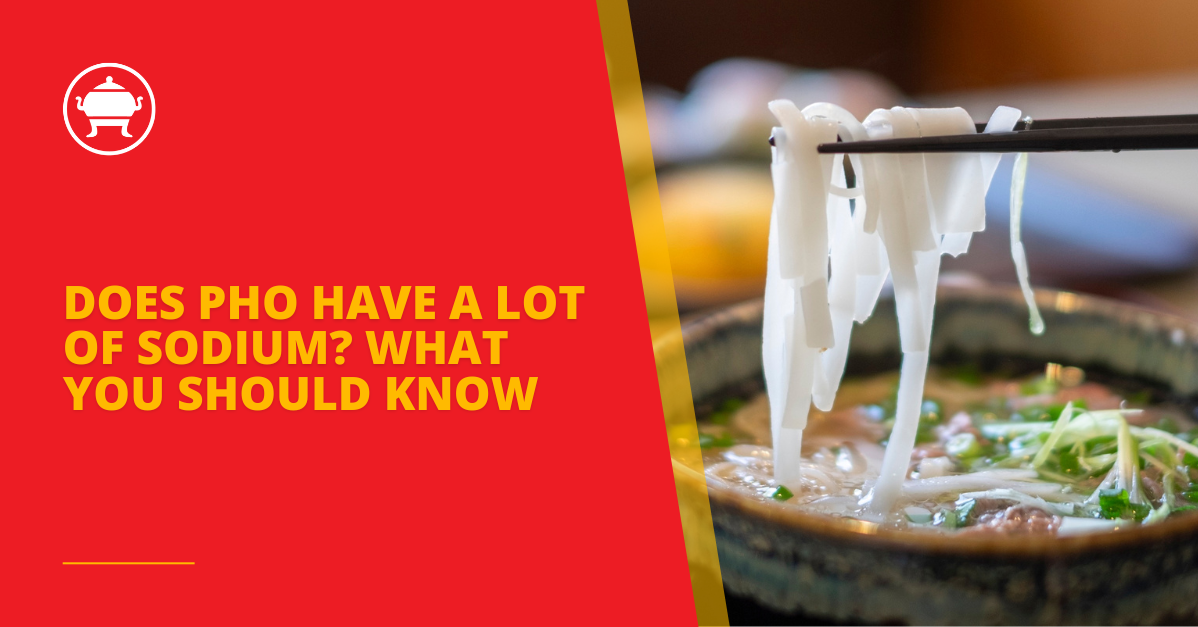
If you’re watching your salt intake, you may have wondered: does pho have a lot of sodium? It’s a fair question. Pho is known for its deeply flavorful broth, and with flavor often comes sodium. The good news is that pho can absolutely fit into a balanced diet when you understand where the sodium comes from and how to manage it.
For health-conscious eaters, pho doesn’t have to be off-limits, it just requires a mindful approach.
Where Sodium in Pho Comes From
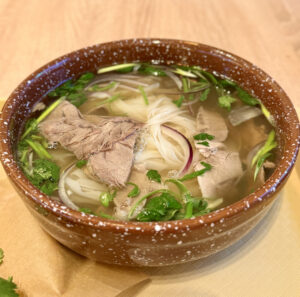
Most of the sodium in pho comes from the broth. Traditional pho broth is simmered with beef bones, salt, fish sauce, and aromatics. These ingredients build depth and umami, but they also contribute sodium.
Seasonings added at the table (like hoisin sauce, sriracha, or soy sauce) can significantly increase sodium levels. The base soup may be moderate, but toppings and condiments often push it higher.
Restaurant Pho vs. Instant Pho
Restaurant pho and instant pho can differ widely in sodium content. Restaurant bowls are often larger and more heavily seasoned to appeal to a broad audience. Instant pho, while convenient, may rely more on sodium to deliver flavor quickly.
That said, many instant pho products allow for portion control. You don’t have to use the entire seasoning packet, and you can easily add fresh herbs, vegetables, or protein to balance flavor without extra salt. Learning what pho is and how it’s traditionally prepared helps put these differences into perspective.
Tips to Reduce Sodium While Enjoying Pho
Reducing sodium doesn’t mean sacrificing enjoyment. Here are a few simple strategies:
- Use less seasoning or broth base and dilute with water.
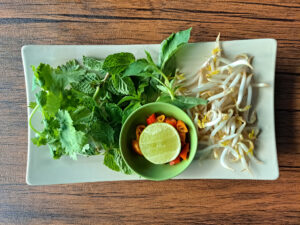
- Add fresh herbs like basil, cilantro, and green onions for flavor.
- Skip or limit salty condiments.
- Balance pho with low-sodium meals throughout the day.
Many home cooks start with convenient pho noodle options from Vifon USA, then customize sodium levels to suit their dietary needs.
Portion Control and Customization Matter
Portion size plays a big role in sodium intake. A large restaurant bowl naturally contains more sodium than a smaller serving. Splitting a bowl, saving half for later, or adding extra noodles and vegetables can help stretch the broth without adding more salt.
Customization is one of pho’s strengths. Whether you’re dining out or cooking at home, pho allows you to adjust ingredients while still enjoying a satisfying, comforting meal.
Enjoy Pho Mindfully
So, does pho have a lot of sodium? It can, but it doesn’t have to. With thoughtful choices, pho can be part of a balanced lifestyle. Understanding where sodium comes from empowers you to enjoy pho confidently, without unnecessary worry.