
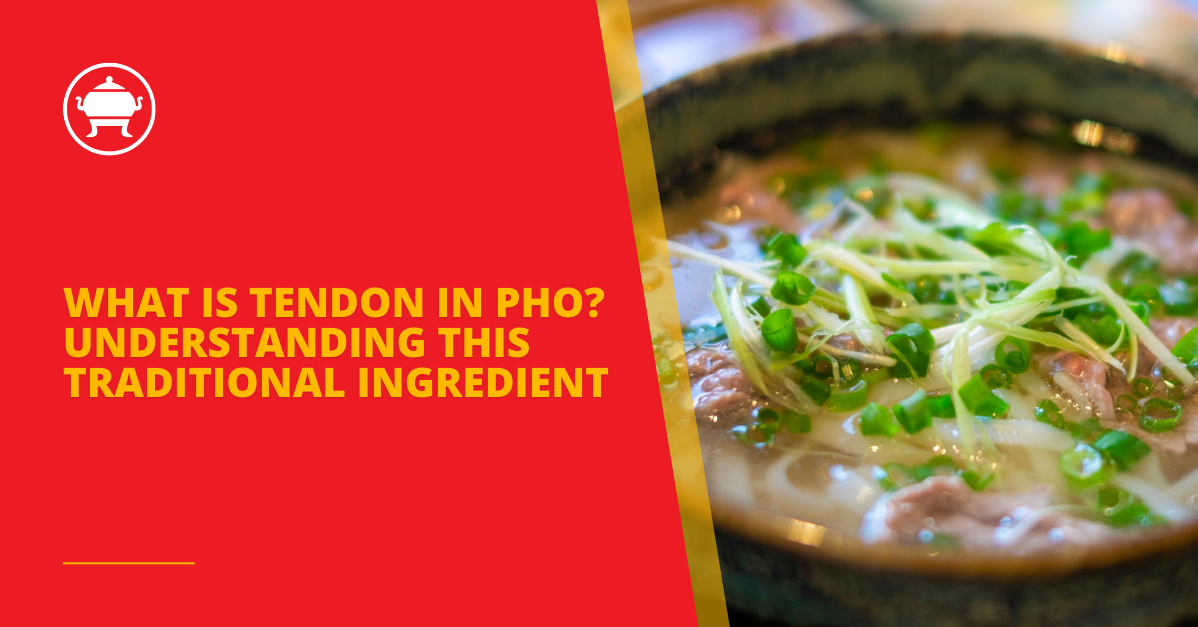
If you’ve ever looked at a pho menu and wondered, “What is tendon in pho?” you’re not alone. Tendon is one of those ingredients that sparks curiosity, especially for first-time pho eaters. Loved for its unique texture and deep connection to Vietnamese food culture, tendon plays a quiet but important role in authentic bowls of pho.
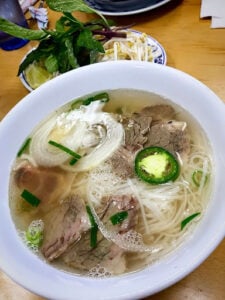
What Is Beef Tendon?
Beef tendon is a connective tissue found around a cow’s joints, typically from the leg or shank. On its own, raw tendon is tough and chewy, but when cooked properly (slowly and patiently) it transforms into something completely different.
In pho, tendon is simmered for hours until it becomes soft, gelatinous, and tender. This long cooking process breaks down collagen, giving tendon its signature silky texture that almost melts in your mouth.
Texture and Flavor in Pho
Tendon has a very mild flavor, which makes it perfect for pho. Instead of overpowering the broth, it absorbs surrounding flavors like a sponge. When added to pho, tendon takes on the aromatic notes of beef broth, spices, and herbs.
Texture is where tendon really shines. It’s smooth, slightly springy, and rich without being heavy. Many pho lovers enjoy the contrast it provides alongside sliced beef and noodles.
Cultural Significance in Vietnamese Cuisine
In Vietnamese cooking, using the whole animal is both practical and respectful. Tendon has long been valued for its texture, nutrition, and ability to enhance soups and stews. Including tendon in pho reflects this tradition and adds depth to the dish.
For many Vietnamese families, tendon pho isn’t unusual or “exotic” it’s simply part of a well-balanced, traditional bowl.
How Tendon Enhances the Broth Experience
As tendon simmers, it releases natural collagen into the broth. This adds body, richness, and a subtle mouth-coating quality that makes pho feel more satisfying. It’s one reason pho broth feels lighter than stew, yet still deeply comforting.
If you enjoy noodle soups at home, learning about ingredients like tendon can deepen your appreciation for pho and inspire you to explore different styles. Many people begin with accessible pho products from Vifon USA, then branch out into more traditional toppings once they feel comfortable.
Ordering or Making Pho With Confidence
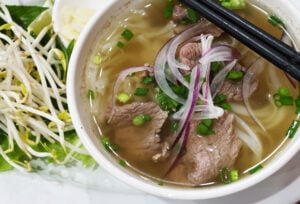
If you see tendon listed on a pho menu, don’t be intimidated. It won’t taste “strange” or overly chewy. Instead, expect a soft, rich texture that blends seamlessly with the broth.
For home cooks, understanding ingredients like tendon makes pho feel less mysterious and more approachable, whether you’re ordering at a restaurant or experimenting with noodle soups inspired by Vietnamese flavors.