

If you’ve ever wondered how do you make Vietnamese pho, the good news is that you don’t need a professional kitchen to get started. While traditional pho is known for its long simmering process, the core steps are simple and with a little patience, you can recreate this comforting dish at home using ingredients found in most U.S. grocery stores.
Pho is all about balance: rich broth, soft noodles, fresh herbs, and carefully layered flavor.
Key Ingredients for Authentic Pho
At its core, Vietnamese pho relies on a few essential components:
- Broth: Typically made from beef bones or chicken
- Spices: Star anise, cinnamon, cloves, coriander seeds, and ginger
- Noodles: Flat rice noodles
- Protein: Thinly sliced beef or chicken
- Toppings: Bean sprouts, basil, lime, cilantro, and chili
These ingredients work together to create pho’s signature taste aromatic, savory, and slightly sweet.
If you’re new to pho or want to explore more variations, there are blogs that offer helpful insights into different noodle soups and preparation styles.
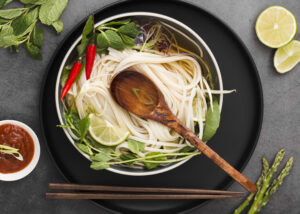
Step-by-Step: How to Make Vietnamese Pho
Here’s a simplified version of the traditional process:
1. Prepare the Aromatics
Char onion and ginger in a pan or oven until slightly blackened. This adds depth and subtle smokiness to the broth.
2. Build the Broth
Simmer beef bones (or chicken) in water, skimming off foam as it forms. Add toasted spices and aromatics, then let it cook gently for several hours.
3. Season Carefully
Add fish sauce, salt, and a small amount of sugar. Taste and adjust gradually to maintain balance between savory and slightly sweet notes.
4. Cook the Noodles
Prepare flat rice noodles according to package instructions. These cook quickly and should remain soft but not mushy.
5. Assemble the Bowl
Place noodles in a bowl, add thin slices of protein, then pour hot broth over the top. Finish with fresh herbs, lime, and optional sauces.
Why Slow Simmering Matters
The defining feature of pho is its broth. Slow simmering allows collagen and flavor to develop naturally, creating a clear yet rich base. Rushing this step often leads to a broth that lacks depth.
Even a shorter simmer (around 2–3 hours) can still produce a satisfying result for home cooks.
For those interested in the science behind broth and slow cooking, the Bon Appétit provides helpful explanations of how simmering affects flavor and texture.
Balancing Sweet, Savory, and Aromatic Flavors
Pho is not just about ingredients, it’s about balance. The broth should be savory from bones and fish sauce, slightly sweet from onion and spices, and aromatic from herbs.
Fresh toppings play an important role. Adding lime, basil, or chili allows each person to customize their bowl, creating a unique flavor experience every time.
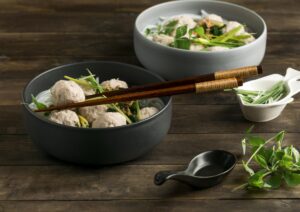
Simple Shortcuts for Beginners
If you don’t have time for a full-day simmer, there are practical shortcuts:
- Use high-quality store-bought broth and enhance it with spices
- Add fresh herbs and toppings to elevate flavor
- Try convenient noodle soup options from Vifon for a quicker alternative
These methods make pho more accessible while still preserving its essence.
Bringing Pho Into Your Kitchen
Making pho at home may take some effort, but the result is worth it. Whether you follow the traditional method or use shortcuts, pho offers a comforting, flavorful meal that brings people together.
Once you understand the basics, you can adapt the recipe to your taste and schedule.